

Thank you for Subscribing to Hospitality Business Review Weekly Brief

Taziki’s Mediterranean cafe
Lynn Edwards, Chief People Officer
People Operations as a Strategic Function
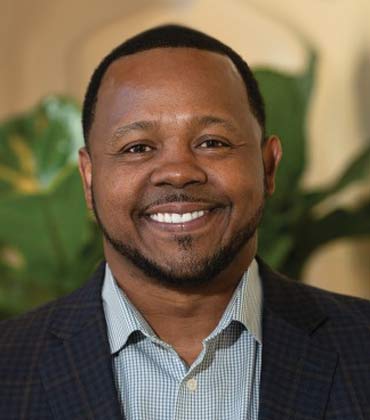
Lynn Edwards
The Foundation of a Strong Workplace Culture
Culture has to be real. It must be authentic, repeatable, and easy to understand. In our industry, we focus heavily on the guest, but that experience starts with our people. When leaders model the right behaviors, provide clear expectations, and create space for honest feedback, teams are more confident and consistent in how they show up. While our mission and values are shared, each restaurant has to bring its culture to life in a way that fits its team and community.
Yet translating that cultural vision consistently across every location remains the industry’s most persistent challenge. Most organizations know what great looks like but struggle to deliver it across every location. We talk about hiring right, training right, and treating people well, but we don’t always execute it consistently. Training often stops too early, and development becomes reactive instead of intentional. The reality is simple—people want to feel valued, supported, and developed. When the employee experience is strong, retention and performance follow.
People Operations, Performance and the Path Forward
The expectations placed on people functioning in hospitality have shifted significantly in recent years. People operations have become more integrated with the business than ever before. It’s no longer just about policies and compliance—it’s about the full employee experience. That includes how we hire, onboard, train, and develop our teams. As the business evolves, so do expectations from both employees and guests. People operations have to stay aligned with those changes to ensure we remain competitive while protecting and strengthening our culture.
HR does not exist in a vacuum—it exists to support, strengthen, and move the business forward.
At the heart of that evolution is a principle that guides every people decision we make. The balance comes from recognizing that performance and people are directly connected. We are a forprofit business, and profitability matters—but how we achieve it matters just as much. By hiring well, developing our teams, setting clear expectations, and holding people accountable, we create an environment where employees can succeed and the business can perform. When done right, you don’t have to choose between people and performance—you get both.
For those looking to build meaningful careers in this space, that same philosophy applies from day one. Be a business leader first. HR does not exist in a vacuum—it exists to support, strengthen, and move the business forward. Understand how the business operates, know the financials, learn the key metrics, and spend real time in the field. For me, that means being present in the restaurants, talking to guests, supporting the team, and not being afraid to roll up my sleeves. When HR understands the business as well as the operators it supports, the work becomes more practical, more strategic, and more respected. The goal is not just to support the business—it is to help drive it forward.
The articles from these contributors are based on their personal expertise and viewpoints, and do not necessarily reflect the opinions of their employers or affiliated organizations.
